
Integrating Pharma CRM with ERP: A Field-First Playbook for Better Sales Forecasting
Most pharma CRMs struggle when reps hit the road—slow internet, missed visits, and delayed updates create blind spots. Your sales forecasts suffer because field data doesn’t flow smoothly into ERP systems. Connecting a field-first pharma CRM with ERP orders, inventory, and pricing data changes the game: forecasts get sharper, decisions move faster, and coverage discipline tightens. In this playbook, you’ll learn how to sync critical data and roll out integration with less risk—so your field force can deliver results you can trust. For more insights, check out this informative article on seamless connectivity between sales tools and enterprise software ecosystems.
Enhancing Pharma Sales Forecasting

Connecting your CRM with ERP systems sets the foundation for better sales forecasting. Here’s how to make it happen.
Benefits of CRM ERP Sync
When you link your CRM and ERP, magic happens. Suddenly, your sales team has access to rich, real-time data. This means smarter decisions and fewer blind spots. Imagine sales reps knowing exactly what’s in stock and what orders are pending before they even step into a pharmacy. This level of insight translates into more accurate forecasts and happier customers.
Think about it: with ERP-connected CRM, your reps aren’t just guessing. They have reliable data at their fingertips, reducing errors and increasing efficiency. No more double-checking with the office or dealing with outdated information. Your team gets it right the first time. Plus, managers can easily track performance, ensuring everyone is on the same page.
Improving Forecast Accuracy
Accurate forecasting hinges on real-time data. When CRM and ERP talk to each other, they create a seamless flow of information. This ensures your forecasts are based on current, real-world data—not outdated reports. Imagine knowing exactly which products are selling fast and adapting your strategy on the fly.
With precise data, your sales strategies become proactive, not reactive. You can anticipate demand, adjust inventory, and meet customer needs more effectively. This isn’t just about numbers; it’s about building trust with your clients. They see you as a reliable partner who delivers what they need when they need it. If you’re curious about how businesses are preparing for integration, check out this article on readiness for integration.
Real-Time Reporting Advantages
Real-time reporting transforms your decision-making process. When data flows smoothly between systems, you get up-to-the-minute insights. This means faster, more informed decisions. Your sales team can see which products are flying off the shelves and which need a push. This level of insight empowers them to act quickly and strategically.
Imagine having a dashboard that updates as sales happen. No more waiting for end-of-day reports or sifting through spreadsheets. Your team can respond to trends as they emerge, ensuring they’re always a step ahead. This proactive approach keeps your business agile and responsive—qualities that are crucial in today’s fast-paced market.
Practical Integration Patterns

Let’s explore practical ways to integrate CRM and ERP systems. Each method has its own strengths and applications.
API-Based Integration
APIs are like translators between your CRM and ERP. They allow these systems to talk directly, sharing data instantly. This method is fast and flexible, adapting to your specific needs. You can choose which data points to sync and when, giving you control over the flow of information.
APIs are especially useful for businesses with unique processes. They provide a custom fit, ensuring your integration supports your workflow without unnecessary complexity. By using APIs, you can avoid the pitfalls of one-size-fits-all solutions, tailoring the integration to enhance your specific operations.
ETL Data Pipelines
ETL, or extract, transform, load, is a powerful method for syncing large data sets. This approach is ideal for businesses handling vast amounts of information. ETL pipelines extract data from multiple sources, transform it into a uniform format, and load it into your ERP system.
The beauty of ETL lies in its ability to handle complex data from various sources. If your business collects information from different departments or systems, ETL ensures everything is standardized before reaching your ERP. This means cleaner, more reliable data that supports accurate forecasting and decision-making.
Event-Driven Processes
Event-driven integration focuses on specific triggers within your CRM or ERP. When an event occurs, like a new order or inventory update, the system automatically syncs relevant data. This approach is efficient and reduces the risk of human error.
By automating responses to key events, you ensure critical data is never missed. Your team can focus on strategic tasks rather than manual data entry, boosting productivity. Event-driven processes help maintain a seamless flow of information, keeping your systems updated without constant oversight.
Critical Data Synchronization
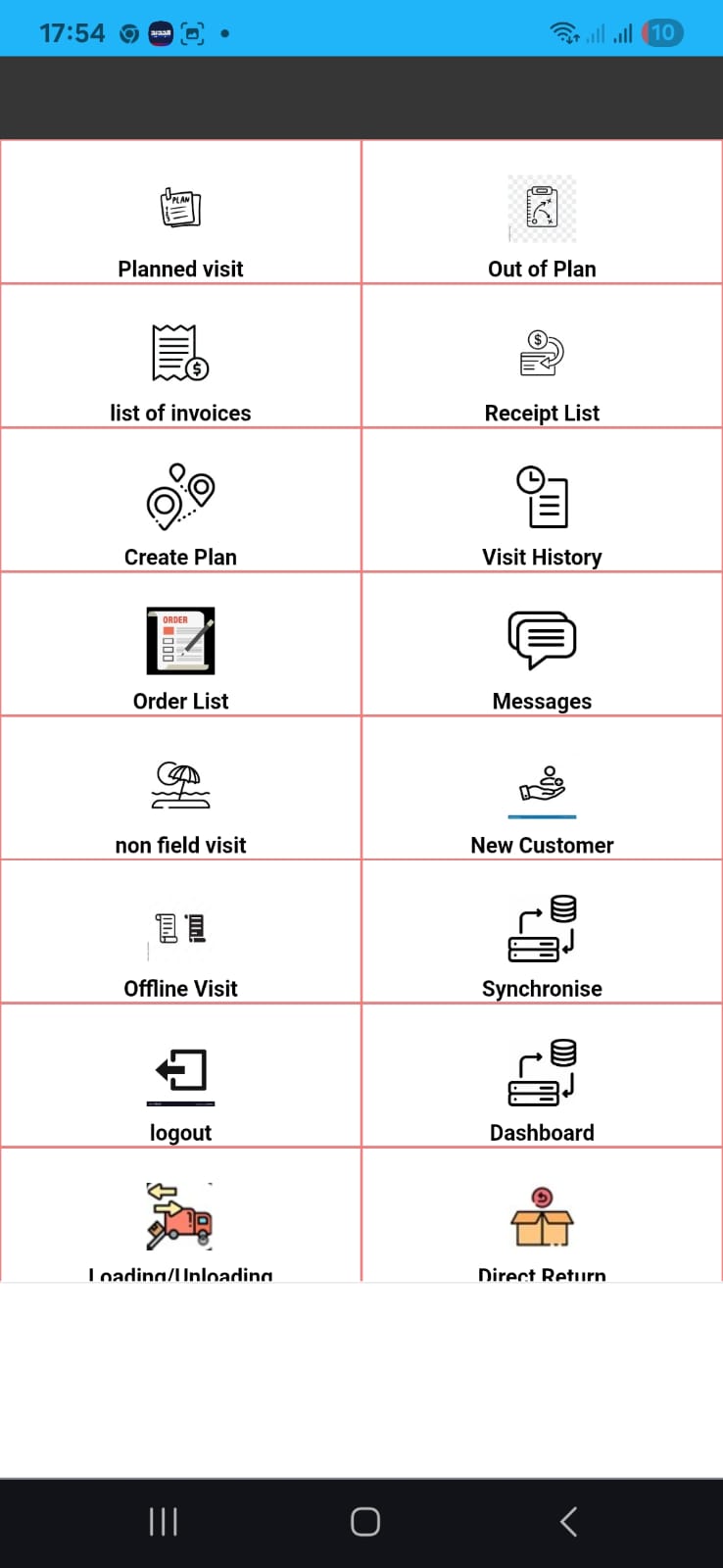
Synchronizing critical data is key to effective CRM and ERP integration. Let’s look at the essential elements you need to sync.
Master Data Management Essentials
Master data is the core information that drives your business. It includes customer details, product specs, and pricing models. Synchronizing this data ensures consistency across systems, reducing errors and improving accuracy.
With master data management, everyone in your organization works from the same information. This consistency enhances collaboration and boosts efficiency. When your team trusts the data, they can focus on delivering exceptional service and driving sales.
Territory and Inventory Visibility
Territory and inventory visibility is crucial for effective sales operations. When reps know exactly what’s available and where, they can plan better and serve customers more efficiently. Synchronizing this data keeps your team informed and agile.
With real-time insights into territory coverage and stock levels, your sales strategy becomes more precise. This visibility helps prevent stockouts and overstock situations, ensuring you’re always ready to meet demand. It’s about making your operations smoother and more customer-centric.
Order Capture and Pharmacy Sales Data
Capturing orders accurately and syncing sales data is vital for reliable forecasting. When this information flows seamlessly between CRM and ERP, you get a clear picture of sales performance. This data helps you identify trends, optimize inventory, and improve customer satisfaction.
By syncing order capture and sales data, you streamline operations and enhance decision-making. Your team can focus on building relationships and driving sales, confident that the data supports their efforts. It’s a win-win situation: better insights for your business and better service for your customers.
By integrating your CRM with ERP systems, you enhance your ability to forecast reliably and respond swiftly to market demands. This synergy empowers your sales teams, elevates customer satisfaction, and drives business growth. For more on how ERP and CRM integration can benefit your business, explore this detailed guide.